NeuroVIZR Integration Course
A Powerful Tool That Can Facilitate the Healing Process of Every Practitioner

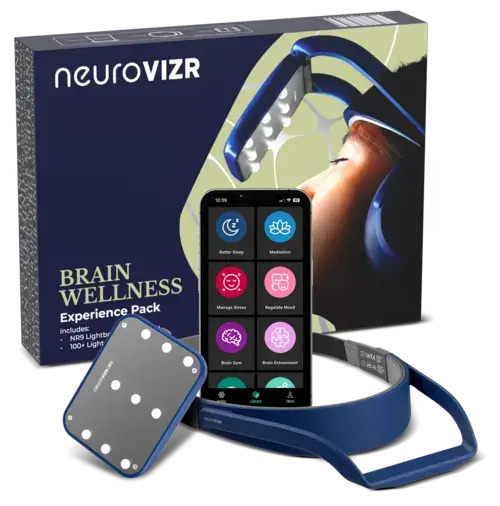
NeuroVIZR Product

The Nervous System Physiologically

System Components

Central Nervous System (CNS)

Brain + spinal cord → processes information, makes decisions

Peripheral Nervous System (PNS)

Nerves outside the CNS → sends signals to/from body

Somatic System

Voluntary control of muscles

Autonomic System

Involuntary functions (breathing, heart rate, digestion)

Autonomic Branches

Sympathetic

"Fight or Flight"

Activation, alertness, mobilization

Parasympathetic

"Rest, Digest, and Heal"

Recovery, relaxation, repair

Communication

Electrical & Chemical

  • • Electrical impulses (action potentials)
  • • Chemical messengers (neurotransmitters)
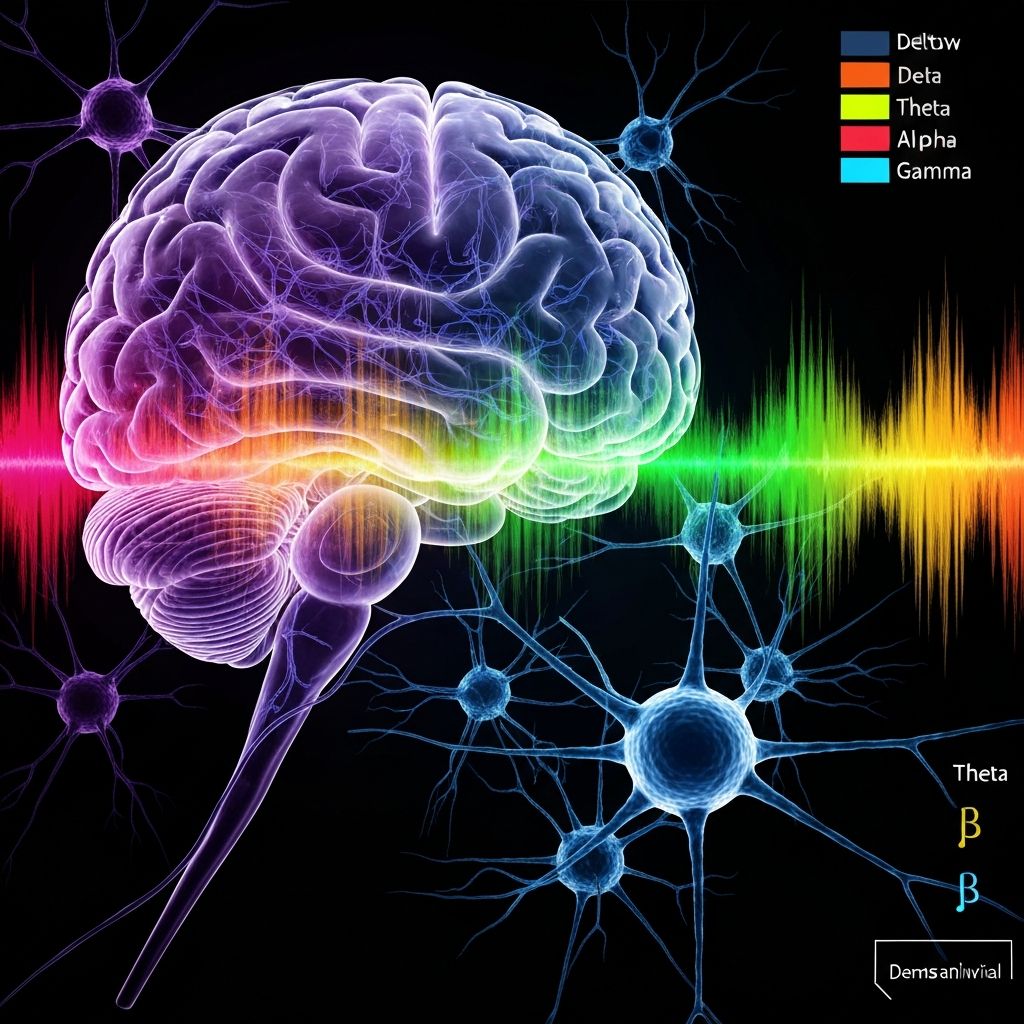
  • • Neural networks firing in rhythm (brainwaves)

Stimulation with Light

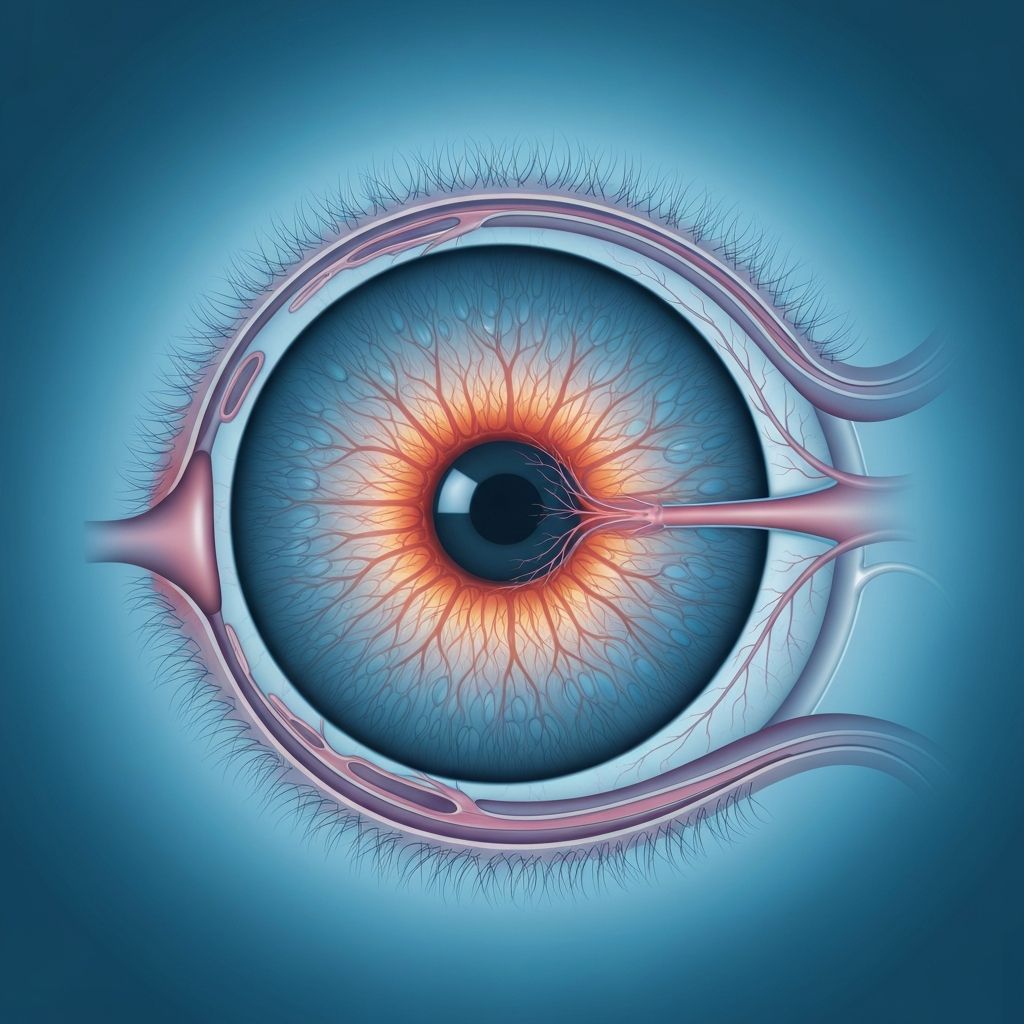
How Light Reaches the Brain

Photoreceptor cells (rods, cones, melanopsin) convert light into electrical signals

Signals travel via optic nerve → brain

Targets: suprachiasmatic nucleus, hypothalamus, pineal gland

Circadian Rhythm

🔵 Blue light → suppresses melatonin, increases alertness

🌙 Darkness → signals melatonin release → sleep

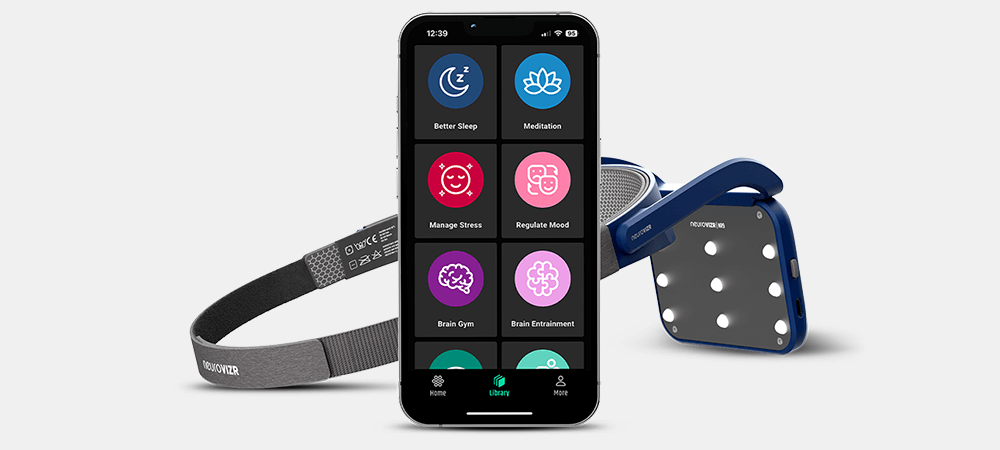
NeuroVIZR Device

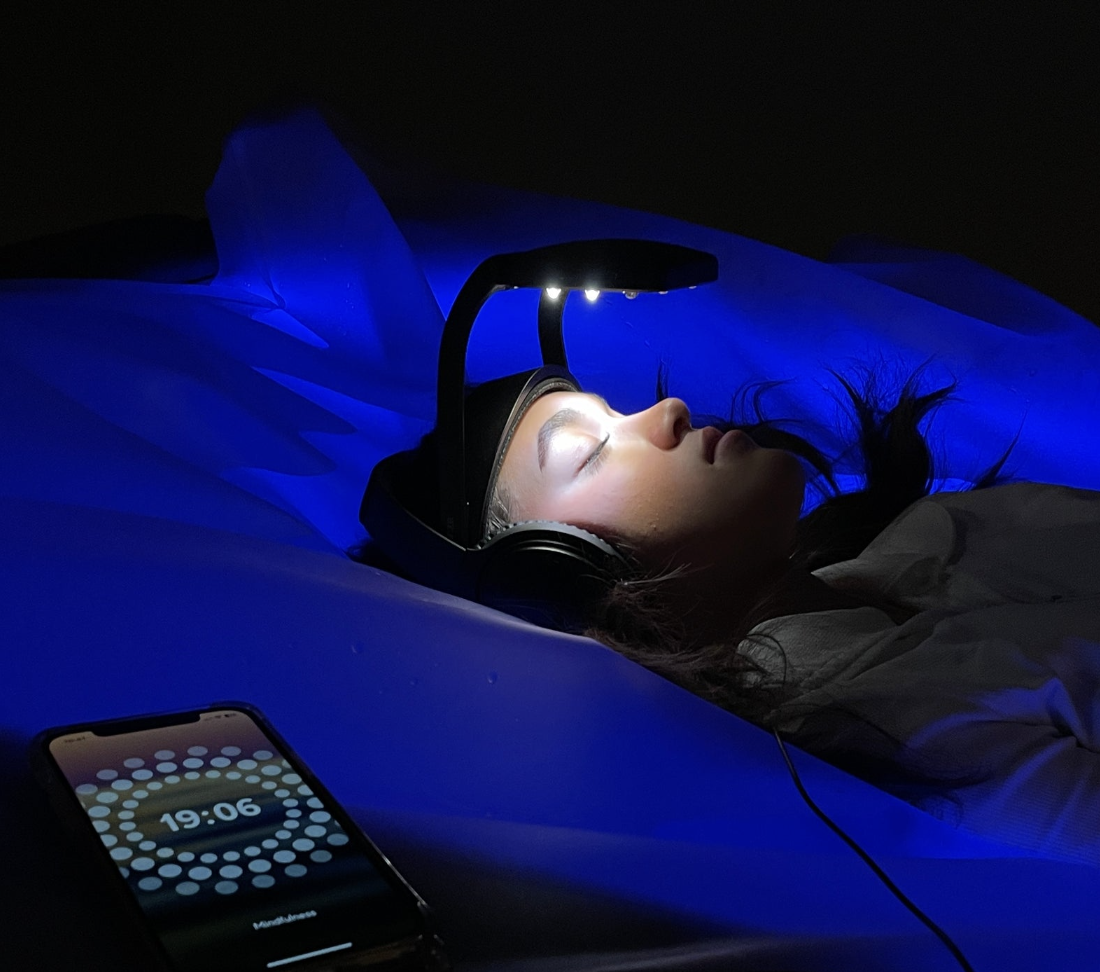
Brainwave Entrainment via Light Flicker

Specific frequencies of flickering light (e.g., 10 Hz) can synchronize neural oscillations, shifting brainwaves into targeted states.

Stimulation with Sound

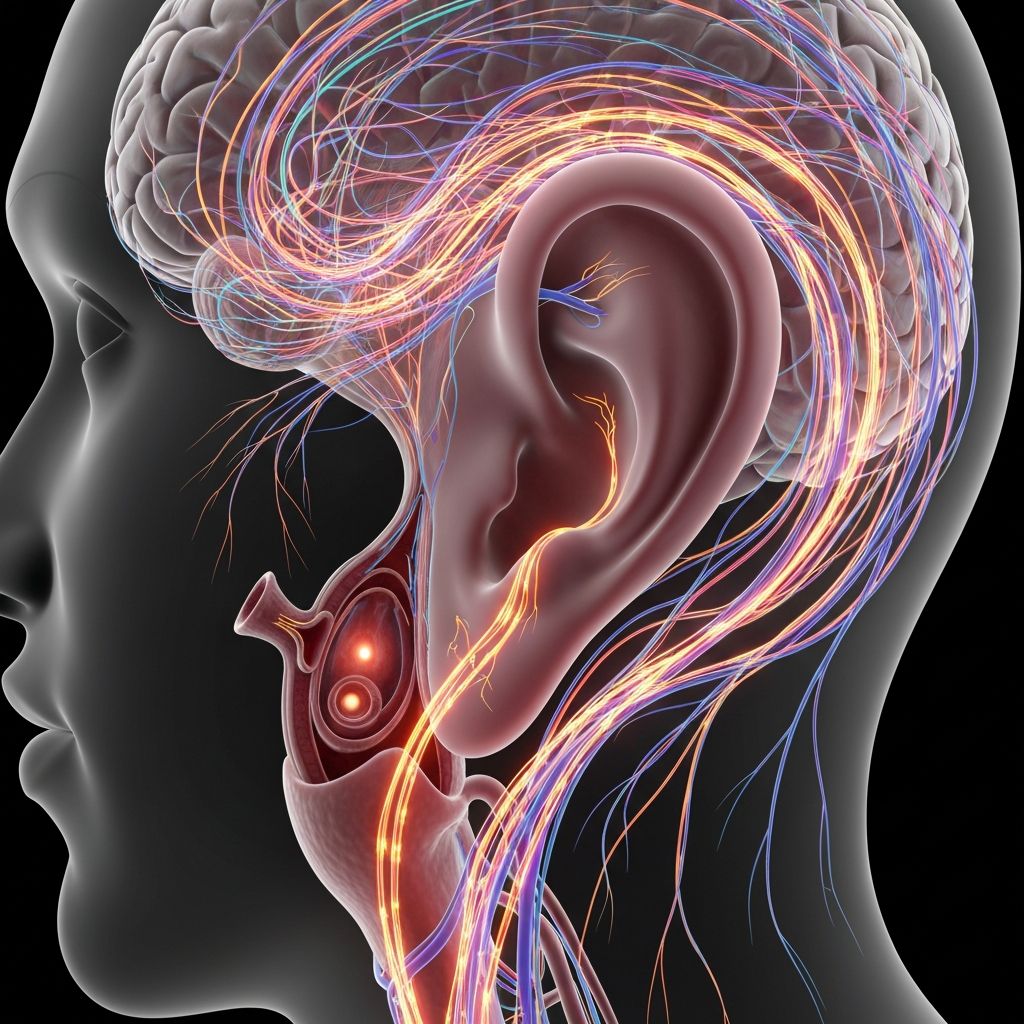
How Sound Reaches the Nervous System

Sound waves → vibrate eardrum → ossicles → cochlea

Hair cells → electrical signals → auditory nerve → brain

Binaural Beats

When two slightly different frequencies are played in each ear, the brain "hears" a third frequency (the difference) and entrains brainwaves to that frequency.

Delta (0.5–4 Hz)

Deep sleep, healing

Theta (4–8 Hz)

Meditation, creativity

Alpha (8–12 Hz)

Calm, relaxed

Beta (12–30 Hz)

Focus, alertness

Resonance & Vagal Activation

Vibrations can stimulate the vagus nerve and shift autonomic balance toward parasympathetic (healing) activation.

Therapeutic Applications

  • • Sound baths
  • • Chanting
  • • Tuning forks
  • • Vibroacoustic therapy
NeuroVIZR App Programs

Synergistic Effects: Light + Sound

Combined Brainwave Entrainment

When light and sound frequencies are combined, they entrain brainwaves faster and deeper. This is used in Audio-Visual Stimulation (AVS) and neurofeedback devices.

Example Synergy

Flickering LED goggles at 10 Hz + binaural beat at 10 Hz → reinforces alpha brainwave dominance → deep relaxation

Parasympathetic Activation

Targets stress relief, nervous system reset, and recovery states through coordinated frequency targeting.

Deep Therapeutic States

Theta and delta frequencies combined with visual and auditory cues guide patients into profound healing and meditation states.

The nervous system is like an electrical grid that can be modulated by frequencies of energy. Light and sound work synergistically to entrain brainwaves and shift autonomic balance for optimal therapeutic outcomes.

Integration Protocols

β

Before Treatment

Beta → energize for EMS/AI training

θ

During Treatment

Theta → deepen manual therapy

α

During Treatment

Alpha → nervous system reset in detox

δ

After Treatment

Delta → recovery & repair

γ

Advanced Sessions

Gamma → for academy workshops, meditation circles, or spiritual sessions

Brainwave Frequency Guide

Brainwave StateFrequency Range (Hz)Effect of Flicker Light EntrainmentApplications / Benefits
Delta0.5–4 HzVery slow flicker induces deep relaxation, mimicking sleep states.Sleep improvement, deep healing, recovery, cellular repair.
Theta4–8 HzFlicker in this range promotes dream-like, hypnagogic states.Meditation, creativity, emotional release, trauma work.
Alpha8–12 HzFlicker (e.g., 10 Hz) synchronizes the brain into calm alertness.Stress relief, relaxation, balanced focus, learning integration.
Beta12–30 HzFaster flicker stimulates active thinking, focus, and arousal.Concentration, problem-solving, alertness, ADHD support.
Gamma30–100 HzHigh-frequency flicker can enhance binding of neural networks and sensory integration.Peak performance, heightened perception, memory, mystical experiences.

Brainwave Entrainment with Light Flicker - Use these frequency ranges to target specific nervous system states and therapeutic outcomes.

FAQ: Product & Safety

What is NeuroVIZR?

A non-invasive light and sound neurotechnology designed to support nervous system regulation, mental well-being, and cognitive balance.

What is the mechanism of action?

NeuroVIZR uses rhythmic visual light stimulation and auditory frequencies to guide brainwave activity into targeted states associated with relaxation, focus, emotional regulation, or recovery.

Is NeuroVIZR clinically safe?

Yes. NeuroVIZR is non-invasive, drug-free, and does not involve electrical brain stimulation. It is designed for wellness and adjunctive clinical support.

Is NeuroVIZR a medical treatment?

No. NeuroVIZR is not intended to diagnose, treat, or cure medical or psychiatric conditions. It is used as a supportive neuro-wellness and regulation tool.

FAQ: Indications & Contraindications

What indications can NeuroVIZR support?

NeuroVIZR may support:

  • Stress and anxiety regulation
  • Burnout and mental fatigue
  • Sleep preparation and recovery
  • Focus and cognitive clarity
  • Emotional regulation and mindfulness

Are there contraindications?

NeuroVIZR is not recommended for individuals with:

  • Epilepsy or photosensitive seizures
  • Severe neurological disorders
  • Active psychosis

Medical clearance is advised when necessary.

FAQ: Clinical Integration & Usage

Can it be used alongside therapy or medication?

Yes. NeuroVIZR is commonly used as an adjunct to psychotherapy, coaching, breathwork, and medical treatment, without interfering with medication protocols.

What does a patient typically experience?

Patients often report deep relaxation, parasympathetic activation, mental clarity, or emotional release while remaining fully conscious and in control.

How long is a session and how often is it used?

Sessions typically last 20–30 minutes. Protocols vary but often range from 1–3 sessions per week, depending on the clinical objective.

Is training required to operate NeuroVIZR in a clinic?

Basic practitioner training is recommended to ensure appropriate program selection, patient screening, and optimal integration into clinical workflows.

Thank You

You now have the knowledge and foundation to integrate NeuroVIZR into your practice and support your clients' journey toward nervous system balance and healing.

For more information and ongoing support:

Integrate NeuroVIZR Today

Join Our Academy

Contact Support

NeuroVIZR • Integration Course • Enablement

1 / 11